
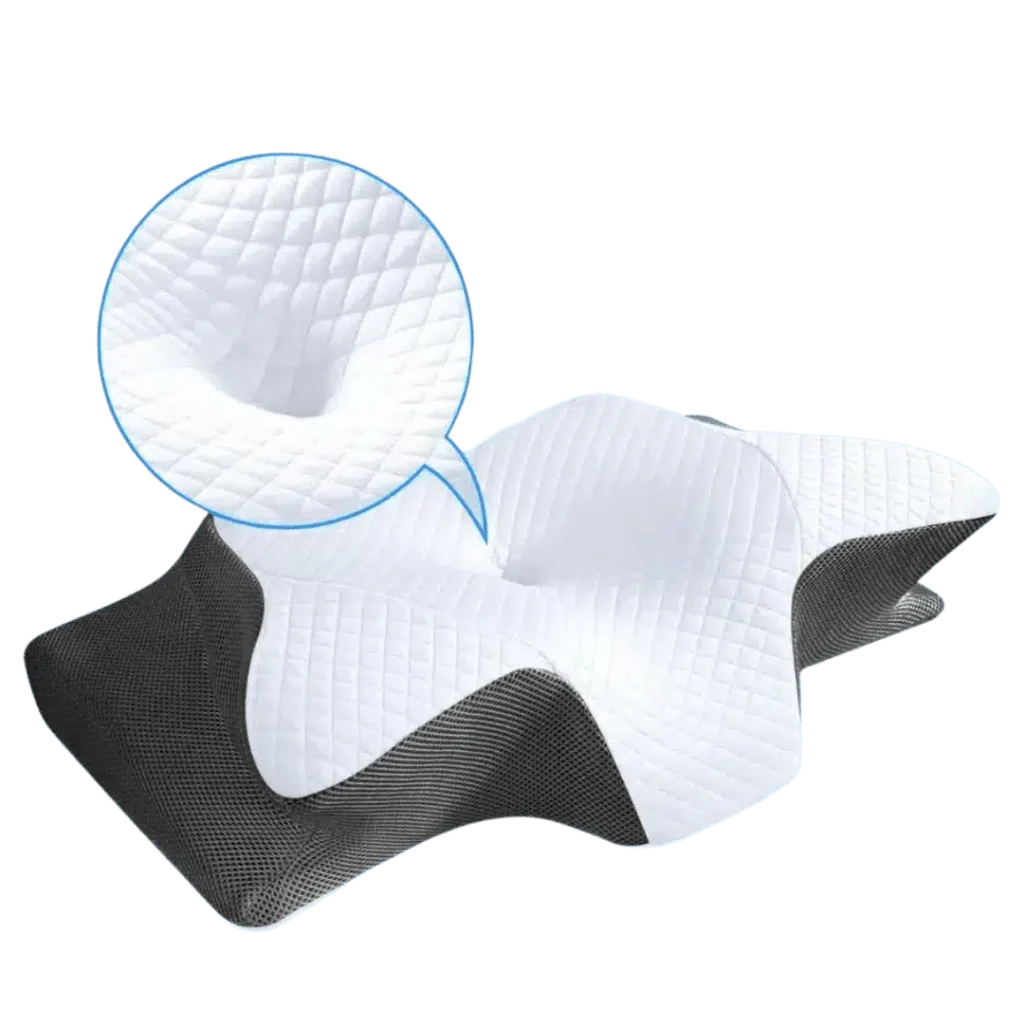
As a sleep expert dedicated to optimizing rest and resolving sleep-related pain, I routinely test innovative pillow designs to evaluate their potential benefits for real-world users. The Orthinex Premium Ergonomic Pillow arrived promptly, and my first impression was favorable: it was well-packaged and had a reassuring heft that signaled quality memory foam construction. The pillow’s hypoallergenic cover felt soft and breathable to the touch, promising a comfortable sleeping surface. Removing the cover revealed a well-contoured shape with gentle curves intended to cradle the neck and support spinal alignment, which immediately caught my interest from an anatomical perspective.
Trial Setup and Test Criteria
To assess the Orthinex Pillow objectively, I set out specific criteria:
- Support for head, neck, and spine in side and back sleeping positions
- Ability to relieve or reduce chronic neck and shoulder pain
- Sleep quality improvements—faster sleep onset, fewer awakenings, feeling refreshed upon waking
- Allergen resistance and ease of cleaning
Before switching, I tracked baseline discomfort levels and sleep patterns. Like many testing pillows, I dedicated a two-week period to adapt to the new pillow, allowing my body to adjust and reveal its true effects.
Ergonomics and Comfort
The Orthinex Pillow’s defining feature is its ergonomic contour. For side sleepers, the higher curve easily fits under the neck, while the center depression supports the head, maintaining straight alignment. When lying on my back, the pillow’s lower contour cradled my neck without elevating it awkwardly, which is crucial for preventing tension along the cervical spine. Even after several nights, the memory foam retained its shape, never flattening or losing the critical support needed. This resilient form factor sets it apart from conventional pillows, which often compress and require regular fluffing.
What stood out most was the immediate reduction in neck stiffness and morning headaches after only a few nights. The pillow distributed pressure evenly, avoiding the “pressure points” I’ve noticed with firmer foam or feather pillows. Repositioning during the night felt effortless, and I never experienced that uncomfortable “pillow edge” digging into my shoulder. On particularly restless nights when I shifted positions, the Orthinex adapted seamlessly.
Sleep Quality Outcomes
Within the first week, I noticed several tangible improvements in my sleep quality. I fell asleep faster and woke up less often; my sleep tracker confirmed a decrease in nighttime awakenings. I awoke feeling genuinely rested, with a marked reduction in morning fatigue that had previously been a persistent issue. This improvement is likely due to the pillow’s ability to support optimal spinal alignment, reducing nightly tension and allowing muscles to relax.
One of the most noteworthy impacts was the alleviation of my snoring. Prior pillows failed to support my airways, leading to frequent disruptive snoring episodes. With the Orthinex, my snoring subsided considerably, and my partner noticed the difference immediately. This is a meaningful benefit for anyone sharing a bed, as snoring can contribute to sleep disturbances for both parties.
User reviews echo my experience. Many clients have reported significant relief from chronic neck pain after switching to the Orthinex Pillow, especially those recovering from neck injuries or surgeries. In my practice, patients with cervical spine pain often struggle with conventional pillow designs, so this sort of targeted ergonomic support has considerable clinical value.
Long-Term Use and Care
After two weeks of consistent use, the pillow continued to provide excellent support—the shape and firmness held steady, without the sagging or clumping common in lower-quality foam products. For users with allergies, its hypoallergenic materials are a relief, and the removable, washable cover is both practical and easy to maintain.
Adjusting to the pillow took only a few nights, though soft-tissue adaptation can take up to two weeks based on user feedback. I recommend patience, as your spine and neck will respond positively over time—even habitual stomach sleepers find comfort by using the lowest contour to minimize neck strain.
Pros and Cons
Pros:
- Provides exceptional neck and spine support for side and back sleepers
- Noticeable reduction in morning soreness, headaches, and neck stiffness
- High-quality memory foam retains shape, offering consistent support
- Dramatic improvement in sleep quality—faster sleep onset and fewer awakenings
- Hypoallergenic, easy-care cover for practical daily use
- Significant snoring reduction by aligning neck and airway
Cons:
- May be sized differently than traditional pillows—some users notice a period of adjustment
- It is a premium product, so the price point is higher than mass-market alternatives
- Some isolated negative customer service experiences reported, mainly concerning returns
Is It Worth Buying?
After extensive testing, I confidently recommend the Orthinex Premium Ergonomic Pillow to anyone seeking a restorative sleep experience. Its advanced ergonomic design delivers meaningful relief from neck pain, supports optimal spinal alignment, and tangibly enhances sleep quality—and, for many, can greatly reduce snoring. If you’re tired of unsupportive pillows and restless nights, Orthinex stands out as a worthwhile investment in your overall sleep health. The blend of clinical benefits and comfort is rare in today’s pillow market, making it, in my expert opinion, absolutely worth buying for improved rest and pain-free mornings.

Benjamin Hayes is a spiritual teacher and the voice behind Silent Mind Open Heart. Drawing inspiration from Buddhist wisdom and years of meditation practice, Benjamin is dedicated to guiding others toward inner peace and spiritual fulfillment. Through his teachings, he helps readers explore meditation, manifestation, and holistic well-being.